Common Roofing Issues Found During a Roof Inspection
Homeowners seeking roof inspections often want to identify common roofing issues, and local contractors can accurately spot and address problems like leaks, damage, and wear.
Understanding common roofing issues found during a roof inspection can help property owners identify potential problems before they develop into costly repairs. Whether a home or commercial building, regular inspections by experienced local contractors can reveal issues like damaged shingles, leaks, or deteriorated flashing that might not be immediately visible. Recognizing these signs early can prevent further damage, extend the roof’s lifespan, and ensure the safety and integrity of the entire property.
For property owners in the area, exploring this topic is practical because roofs endure the effects of local weather conditions and age over time. A thorough roof inspection performed by trusted local service providers can uncover these common issues, providing peace of mind and a clear understanding of the roof’s current condition. Keep reading to learn more about what to look out for and how local pros can help maintain a strong, reliable roof.
- Shingle damage - homeowners noticing missing or cracked shingles may need a roof inspection to identify underlying issues and prevent leaks, with local contractors evaluating shingle integrity.
- Leaking roofs - signs of water intrusion or stains often prompt a roof inspection, where service providers assess the source of leaks and recommend necessary repairs.
- Granule loss - excessive granule shedding can indicate aging or damaged shingles, prompting local pros to inspect for potential replacement or repairs.
- Roof sagging - visible sagging or deformities in the roof structure can suggest structural problems, with local contractors performing thorough inspections to determine the cause.
- Moss or algae growth - the presence of moss or algae may lead to moisture retention issues, and service providers can evaluate the roof’s condition and suggest cleaning or repairs.
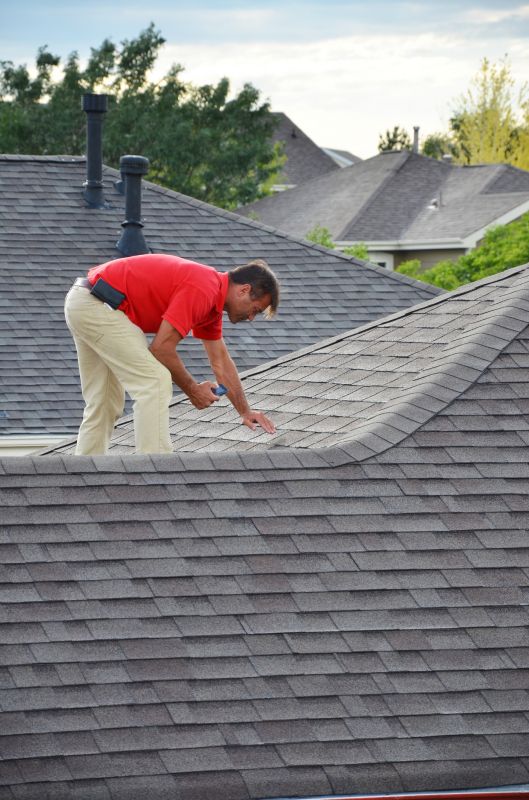
When homeowners search for information about common roofing issues found during a roof inspection, they are often trying to understand what problems might be lurking above their heads. Roof inspections are a key step in maintaining a property's integrity and preventing costly repairs. People typically want to identify issues like leaks, damaged shingles, or signs of wear before they develop into more serious problems. Understanding what to look for during an inspection helps homeowners make informed decisions about repairs or replacements and ensures that any potential issues are addressed early, saving time and money in the long run.
These common roofing issues are usually related to the age and material of the roof, environmental factors, and lack of maintenance. For example, missing or cracked shingles are frequent problems that can lead to water infiltration. Other issues include damaged flashing around vents or chimneys, which can cause leaks, as well as granule loss from asphalt shingles that indicates deterioration. Inspections often reveal signs of water damage, such as staining or mold, which can be caused by compromised roofing components. Recognizing these problems helps homeowners understand the importance of regular roof assessments and how they fit into broader property maintenance or repair plans.
The types of properties that typically come up during discussions of common roofing issues include residential homes, multi-family complexes, and small commercial buildings. Residential roofs are often inspected for issues caused by weather exposure, aging, or improper installation. Multi-family properties may have shared roofing systems that require thorough evaluations to prevent widespread damage. Small commercial buildings, especially those with flat or low-slope roofs, also face unique challenges like ponding water or membrane damage. Local service providers who specialize in roof inspections are familiar with the specific issues prevalent in different property types, making them valuable resources for identifying problems early and planning effective repairs.
Understanding the connection between roof inspections and common roofing issues is essential for homeowners and property managers alike. Regular inspections conducted by local pros can uncover problems before they escalate, helping to extend the lifespan of the roof and protect the property. These professionals assess the condition of roofing materials, look for signs of damage or wear, and evaluate the overall integrity of the roof system. By addressing issues such as leaks, damaged shingles, or flashing problems early on, property owners can avoid more extensive repairs down the line. Connecting with experienced local contractors ensures that inspections are thorough and that any necessary repairs are handled efficiently, supporting the ongoing health and safety of the building.
Roof repair projects - addressing issues like damaged shingles or leaks requires skills and tools similar to those used during roof inspections to identify problem areas.
Gutter installation and repair - proper gutter systems are essential for roof health, and inspecting gutters involves planning and techniques comparable to roof assessments.
Attic ventilation projects - ensuring adequate attic airflow involves evaluating roof components, making it related to the inspection process and identifying ventilation issues.
Roof replacement services - replacing aging or severely damaged roofs involves thorough inspection skills to determine the extent of repairs needed before replacement.
Flashing repair and installation - fixing or installing flashing around chimneys and vents requires attention to detail similar to inspecting these areas during a roof assessment.
Skylight installation and repair - working on skylights involves inspecting roof penetrations and sealing, aligning closely with the skills used during roof inspections for leaks and damage.
When evaluating local contractors for roof inspection services, it’s important to consider their experience with similar projects, particularly those involving common roofing issues found during a roof inspection. An experienced service provider will have a history of identifying and addressing issues such as damaged shingles, leaks, or compromised flashing. Their familiarity with these typical problems can help ensure a thorough assessment and accurate diagnosis, reducing the likelihood of overlooked concerns that could lead to costly repairs later on.
Clear communication and well-defined expectations are essential when choosing a roofing professional. Homeowners should seek providers who clearly outline what the inspection will cover, what issues they will look for, and how they will report their findings. Transparent communication helps establish trust and ensures that both parties understand the scope of work, preventing misunderstandings or surprises during or after the inspection process.
Reputable references and a reputation for professionalism are key factors in selecting a reliable service provider. Homeowners are encouraged to seek out local contractors with positive feedback from previous clients, as this can provide insight into their reliability, quality of work, and customer service. Good communication skills and responsiveness also contribute to a smooth inspection process, allowing homeowners to ask questions and receive timely updates. Connecting with experienced, communicative, and well-regarded local pros can help ensure that roof inspections are comprehensive and informative, ultimately supporting better decision-making regarding roofing issues.
Property owners often search for common roofing issues found during a roof inspection when they are planning practical projects around their homes and businesses. Local pros provide Roof Inspection services for everyday jobs and straightforward project options.
Many property owners in the area seek roof inspections after noticing signs of potential issues, such as missing shingles, leaks, or visible damage from recent storms. During a roof inspection, common roofing issues found include damaged or curling shingles, which can compromise the roof’s ability to keep out water, and areas where flashing has become loose or corroded. These problems often develop gradually due to weather exposure or aging materials, making regular inspections an important step in maintaining the roof’s integrity and preventing costly repairs down the line.
Another frequent concern uncovered during roof inspections involves the buildup of debris, moss, or algae, especially in shaded or humid locations. These elements can trap moisture and accelerate deterioration of roofing materials. Additionally, inspectors often identify issues with sagging or uneven roof surfaces that might indicate underlying structural concerns. Engaging with local contractors for a thorough roof inspection can help identify these common issues early, ensuring that necessary repairs or maintenance are addressed before they develop into more significant problems.
What are common roofing issues found during a roof inspection? Common roofing issues include damaged or missing shingles, leaks, and signs of water intrusion, which can compromise the roof’s integrity and lead to further damage.
How can a roof inspection identify problems like leaks or water damage? During a roof inspection, service providers look for signs such as water stains, mold, or moldy areas, as well as damaged flashing and compromised roofing materials that may cause leaks.
What roofing issues are caused by aging or wear and tear? Aging roofs often develop cracked or curling shingles, deteriorated flashing, and weakened structural components, all of which can be identified during an inspection.
Why is it important to detect damaged flashing or ventilation issues? Damaged flashing and ventilation problems can lead to water infiltration and moisture buildup, which may cause rot, mold growth, and reduced roof lifespan.
How do local contractors handle issues like moss or algae growth during inspections? During a roof inspection, service providers assess for moss or algae, which can trap moisture and damage roofing materials, and recommend cleaning or repair solutions to prevent further issues.
Identifying damaged shingles - Regular roof inspections can help property owners spot missing or cracked shingles early, preventing leaks and further damage with help from local contractors.
Detecting leaks and water stains - Recognizing signs of water intrusion during a roof inspection allows property owners to plan repairs before interior damage occurs, with assistance from local service providers.
Spotting damaged flashing and seals - Inspections can reveal deteriorated flashing or seals around vents and chimneys, enabling timely repairs by local contractors to maintain roof integrity.
Assessing gutter and drainage issues - Checking for clogged or damaged gutters during a roof inspection helps property owners prevent water buildup and potential roof damage, with support from local experts.
If you are thinking about common roofing issues found during a roof inspection for a property, this guide is meant to help you understand this topic, the typical project types, and how different options might fit your plans.
When you are ready, you can use the quote form on this page to share a few details about your project. From there, local pros can review the basics and follow up with options that match what you have in mind.