Compare Local Contractors for Asphalt Roof Inspection Services
Compare local contractors for asphalt roof inspections to verify experience, define scope, and set clear expectations, helping property owners make informed, confident decisions.
Asphalt roof inspections performed by professional contractors typically include a thorough assessment of the roof’s overall condition, identification of any existing damage or wear, and evaluation of key components such as shingles, flashing, vents, and drainage systems. These inspections help property owners understand the current state of their roofing system, pinpoint areas that may require repairs or maintenance, and determine if there are underlying issues that could lead to more significant problems in the future. Properly inspecting an asphalt roof involves a detailed visual examination, often from both the ground and roof level, to ensure that all aspects of the roofing system are evaluated comprehensively.
Defining the scope of an asphalt roof inspection is an important step in ensuring that property owners receive the services they need without misunderstandings. A clear scope outlines what aspects of the roof will be examined, the extent of the inspection, and any specific concerns that should be addressed. Having these details in writing helps set expectations, provides a record of what is included, and allows property owners to compare different service providers effectively. When the scope is well-defined, it minimizes the risk of overlooked issues and ensures that the inspection aligns with the property owner’s priorities and concerns.
Comparing local contractors for asphalt roof inspections involves evaluating their experience, reputation, and the scope of services offered. Property owners should consider how long a contractor has been providing roof inspection services and whether they have experience with asphalt roofing systems specific to the area. Checking references or reviews can offer insights into the quality of service and professionalism. Additionally, understanding how each contractor defines their scope of work and what is included in their inspection helps property owners make informed decisions. Gathering details on their process, areas of expertise, and how they communicate findings can support choosing a service provider that best meets the needs of the property.
Compare local contractors by outlining your inspection priorities, verifying their experience, and setting clear expectations in writing.
- Compare Contractor Experience - Review the backgrounds of service providers to ensure relevant experience with asphalt roof inspections.
- Define Inspection Scope - Clearly outline the specific aspects of the roof to be inspected to set accurate expectations.
- Verify Credentials and References - Check references and verify qualifications to assess the reliability of local contractors.
- Document Inspection Details - Obtain written descriptions of the scope, findings, and recommendations for future reference.
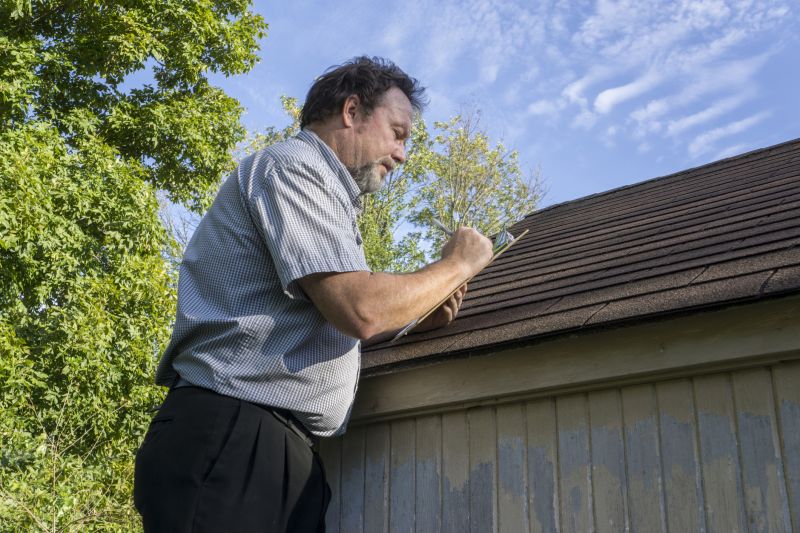
Before comparing contractors, clearly describe your asphalt roof inspection project to ensure accurate scope, experience, and expectations.
- Inspect for visible damage or deterioration such as cracks, curling, or missing shingles that may indicate underlying issues.
- Check for signs of water pooling or leaks around roof penetrations, vents, and flashing areas.
- Evaluate the condition of the flashing and sealants to ensure they are intact and properly sealed.
- Look for moss, mold, or algae growth that can compromise the roof's integrity over time.
- Assess the overall roof surface for unevenness, sagging, or areas of excessive wear.
- Verify that local contractors can clearly define the scope of inspection and provide detailed reporting.
Use this to compare local contractors, clarify scope, verify experience, and set clear expectations.
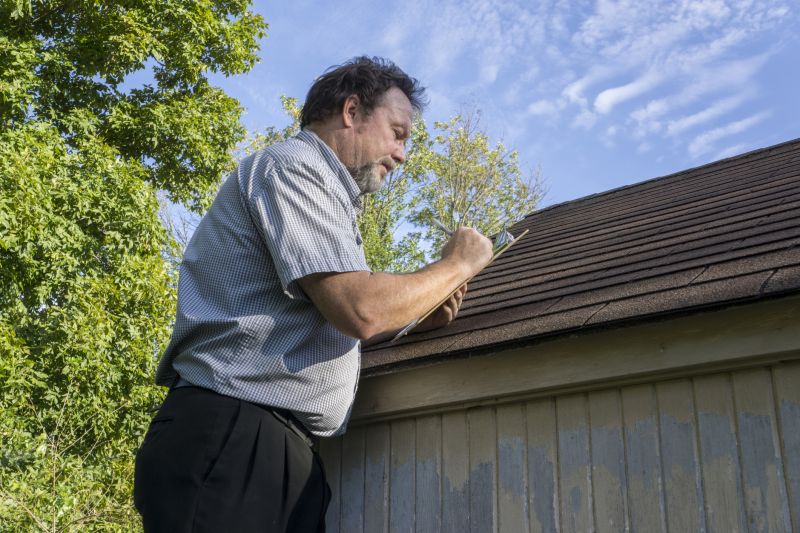
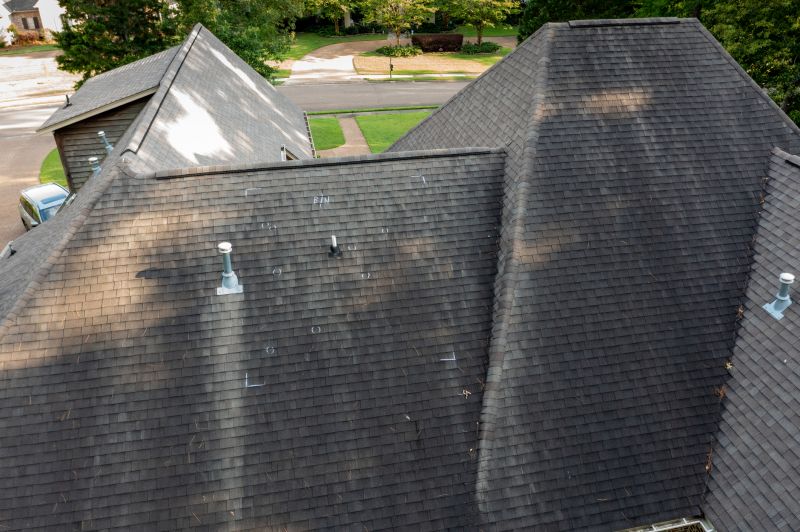
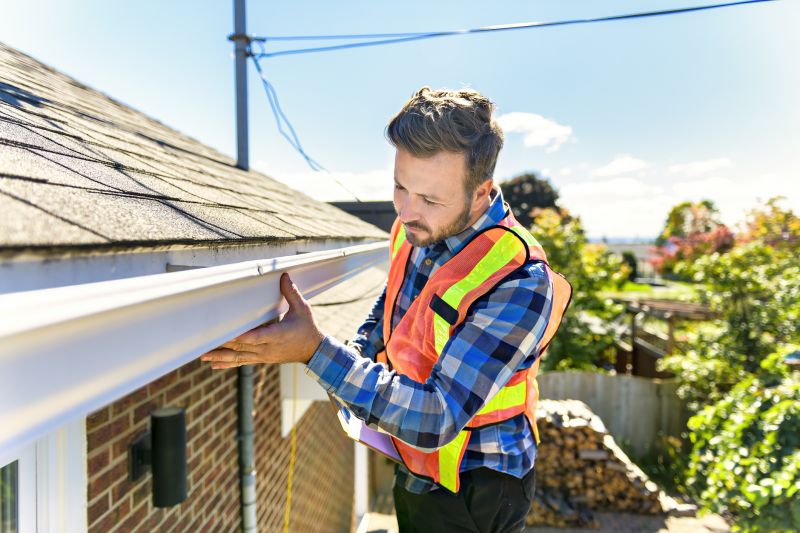

Learn how to compare asphalt roof inspection contractors, define scope, verify experience, and set clear expectations consistently.
- Scope Definition - Clearly outline the specific areas of the asphalt roof to be inspected, including shingles, flashing, and ventilation components.
- Inspection Criteria - Identify key issues to look for, such as cracks, curling, missing shingles, or water intrusion signs.
- Experience Verification - Confirm that local contractors have relevant experience inspecting asphalt roofing systems and addressing common issues.
- Documentation Standards - Specify requirements for detailed written reports that describe findings, identified problems, and recommended actions.
- Scope Adjustments - Establish procedures for modifying the inspection scope based on initial findings or homeowner concerns.
When evaluating contractors for an asphalt roof inspection, it is important to consider their experience with similar projects. Homeowners should inquire about how long the service provider has been performing roof inspections and whether they have experience with asphalt roofing systems comparable to their own. Contractors with a history of inspecting similar roof types and addressing common issues related to asphalt shingles are more likely to identify potential problems accurately and provide reliable assessments. Verifying this background helps ensure that the chosen service provider understands the specific characteristics and common concerns associated with asphalt roofs.
A clear, written scope of work is essential when comparing different service providers. Homeowners should seek detailed descriptions of what the inspection will include, such as the areas to be examined, the specific components to be evaluated, and any additional services that might be part of the process. A well-defined scope helps prevent misunderstandings and ensures that all parties have aligned expectations. Service providers who can articulate their inspection process in writing make it easier to compare options and select a contractor who offers thorough and comprehensive assessments.
Understanding the basics of verification is crucial when evaluating contractors. Homeowners should ask how the service provider plans to verify the condition of the asphalt roof, including whether they will perform visual inspections, use specific tools, or check for common issues like membrane damage or shingle deterioration. Clarifying these verification methods helps determine if the contractor employs a systematic approach to assessing roof health. Reliable verification practices contribute to an accurate evaluation of the roof’s condition and can assist in identifying potential problems before they become serious.
When comparing local contractors for asphalt roof inspection, it is helpful to consider how they present their services and what methods they use to communicate their findings. A professional service provider will typically offer a detailed written report outlining their observations, findings, and any recommended next steps. Evaluating how options are presented-such as the thoroughness of their scope, the clarity of their communication, and their approach to verifying roof conditions-can aid in selecting a contractor who provides transparent, comprehensive service. This approach ensures that homeowners can make informed decisions based on consistent and clear information from trusted local providers.
Ask contractors to provide written scope details to ensure clear expectations and consistent project understanding.
- **Experience and Qualifications** - What specific experience do local contractors have with asphalt roof inspections?
- **Scope of Work** - How do contractors define the scope of an asphalt roof inspection and what is included?
- **Inspection Process** - What methods and tools do service providers use to evaluate the condition of an asphalt roof?
- **Reporting and Documentation** - How will the findings be documented, and will the scope of the inspection be outlined in writing?
- **Comparison Criteria** - What factors should be considered when comparing different local contractors for asphalt roof inspections?
What should I look for when comparing asphalt roof inspection contractors? Focus on their experience with asphalt roofing, reviews or references, and whether they clearly define the scope of work in writing to ensure expectations are aligned.
How can I verify a contractor's experience with asphalt roof inspections? Ask for details about their previous projects, years of experience, or specific training related to asphalt roofing to assess their familiarity with the material and inspection process.
Why is it important to have the scope of work in writing? Having the scope documented helps clarify what services will be provided, prevents misunderstandings, and ensures both parties agree on the inspection process and deliverables.
What questions should I ask a contractor before hiring for an asphalt roof inspection? Inquire about their experience, inspection methods, how they identify potential issues, and whether they provide written reports or recommendations after the inspection.
How can I ensure a contractor is qualified to perform asphalt roof inspections? Review their credentials, request references or examples of previous inspections, and confirm they have a thorough understanding of asphalt roofing systems.
What factors help determine if a contractor is reliable for asphalt roof inspections? Consistent communication, transparent scope of work, clear documentation, and positive feedback from past clients are key indicators of dependability.
This page has provided an overview of how to find reliable contractors for asphalt roof inspections. Visitors learned the importance of clearly defining the scope of work, verifying the experience of service providers, and putting all expectations in writing to ensure clarity and accountability. Comparing local contractors through these steps can help in making informed decisions tailored to specific project needs.
To connect with qualified service providers, visitors are encouraged to use the quote form to compare options in the area. This process simplifies identifying local contractors who can handle asphalt roof inspections, allowing for a straightforward way to explore available services and find the right fit for the project.